CBD vs CBN vs THC: What’s the Difference and Which One Should You Use?
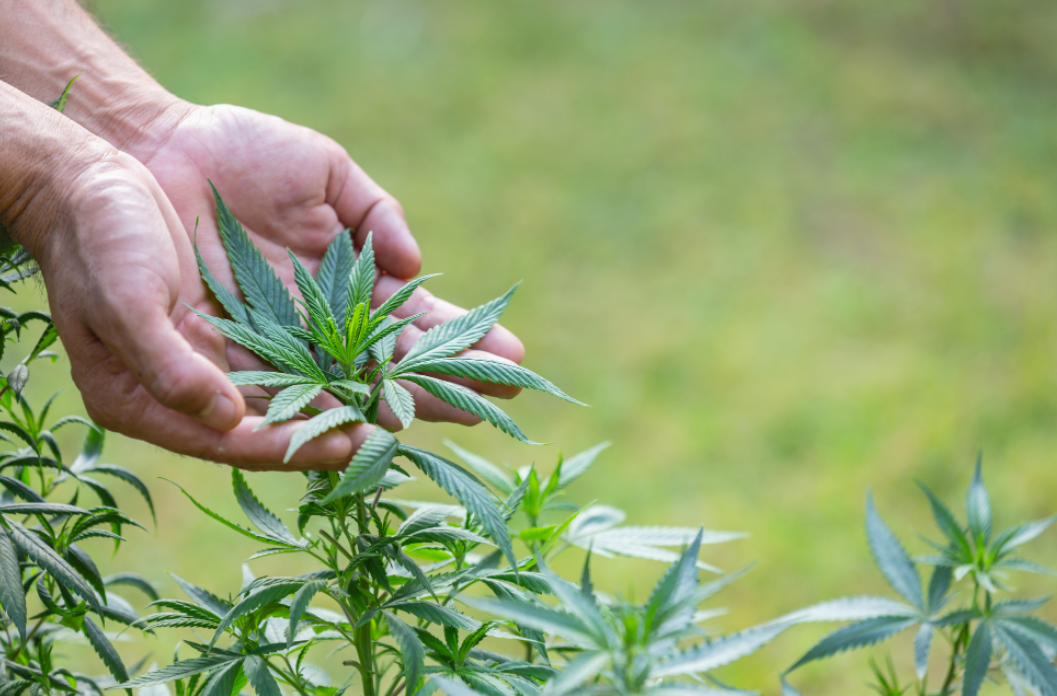
The cannabis plant is full of surprises—more than 100 unique compounds, each with its own feel and possible benefits. However, three cannabinoids stand out as the most commonly discussed: THC, CBD, and CBN.
You’ve certainly seen these labels on products or overheard them in discussions, but what do they do? And how can you choose which one is best for you?
If you’ve ever Googled “CBD vs CBN vs THC” and felt a little confused, you’re not alone. It’s easy to become overwhelmed when phrases like “psychoactive,” “non-intoxicating,” and “oxidation” start flying around.
In this guide, we’ll break it all down in simple words so you may feel informed, confident, and empowered to select the cannabinoid (or combination) that best suits your mood.
What Are Cannabinoids Anyway? (No Science Degree Required)
To put it simply, cannabinoids are the active compounds in cannabis that interact with your body to produce a variety of affects, from relaxation or sleepiness to uplifted and joyful.
You’ve probably heard of THC, CBD, and CBN, but these are only a few members of a much broader family. In reality, the cannabis plant naturally produces over 100 cannabinoids, and researchers are constantly discovering new ones with distinct effects.
These cannabinoids work by interacting with the endocannabinoid system (ECS). Think of the ECS as your body’s internal balancing center, regulating mood, sleep, hunger, pain, and other functions.
There are two primary types of ECS receptors:
- CB1 receptors are mostly located in the brain and central nervous system. THC prefers to bind here, which is why it makes you high.
- CB2 receptors are more commonly found in the immune system, stomach, and skin. These play an important part in how CBD and CBN reduce inflammation and promote relaxation.
It gets even cooler: when THC, CBD, and CBN are combined, their effects can potentially be amplified. This collaborative effort is known as the entourage effect. It indicates that the plant functions best when its natural components are allowed to interact, much like a good band.
THC: The Euphoric Mood-Booster
Let’s begin with the life of the party: THC, which stands for Tetrahydrocannabinol. It’s the most well-known cannabinoid, and it’s what gives cannabis its traditional high.
What Does THC Do
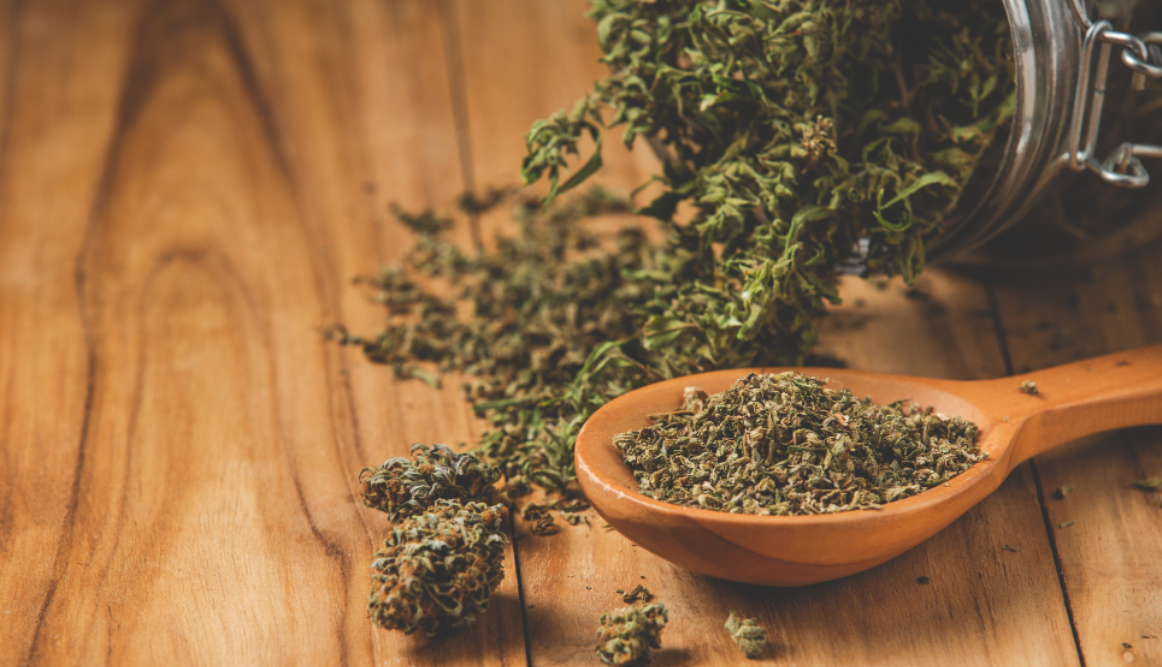
THC is psychoactive, which means it directly interacts with your brain’s CB1 receptors, causing feelings of pleasure, profound relaxation, sensory enhancement, and, yes, the munchies. Whether you’re watching a movie, listening to music, or simply hanging out with friends, THC has a way of improving the experience.
Why Do People Love THC?
Because THC has been reported to:
- Enhance mood
- Boost creativity
- Increase appetite
- Help with pain relief
- Make it easier to unwind and sleep
It’s no surprise that many people use THC to unwind after a long day, connect with others, or unleash their creative flow.
When comparing THC, CBD, and CBN, THC is the most potent – it affects your perception and provides a full-body buzz. However, when combined with other cannabinoids, the effects can be more balanced and beneficial.
CBD: The Chill Companion Without the High
CBD, or Cannabidiol, is the go-to cannabinoid for feeling better rather than intoxicated.
CBD, unlike THC, is not intoxicating, which means it will not make you high. Instead, it works in the background with your body’s endocannabinoid system to help balance mood, relieve tension, and promote recovery – all without messing with your mind.
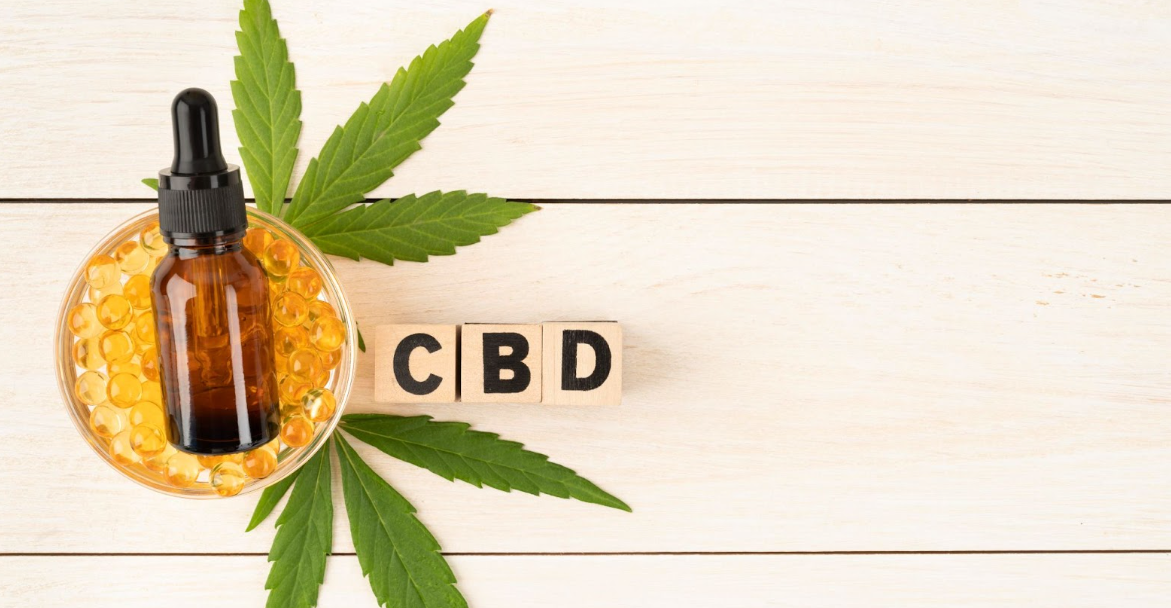
What Does CBD Do?
Most people describe it as relaxing without sedation, or as a gentle nudge back into their comfort zone. Whether you’re dealing with daily stress, recovering after a workout, or simply trying to keep grounded, CBD can help restore balance.
Benefits Of CBD Include:
- Stress and anxiety relief
- Reduced inflammation.
- Increased focus and mental clarity
- Physical recovery and muscular support
Perfect For:
- Daytime use, when you want to keep sharp but relaxed.
- Canna-curious beginners seeking a soft entry.
- Wellness seekers building a self-care routine.
CBD is available in a wide variety of forms, including tinctures, gummies, lotions, and topicals. It works well alone or in combination with other cannabinoids (such as CBN or low-dose THC) to boost benefits.
When comparing CBD, CBN, and THC, CBD falls somewhere in the middle—it won’t sedate you like CBN or raise you like THC, but it will make you feel more like yourself.
CBN: The Sleepytime Cannabinoid
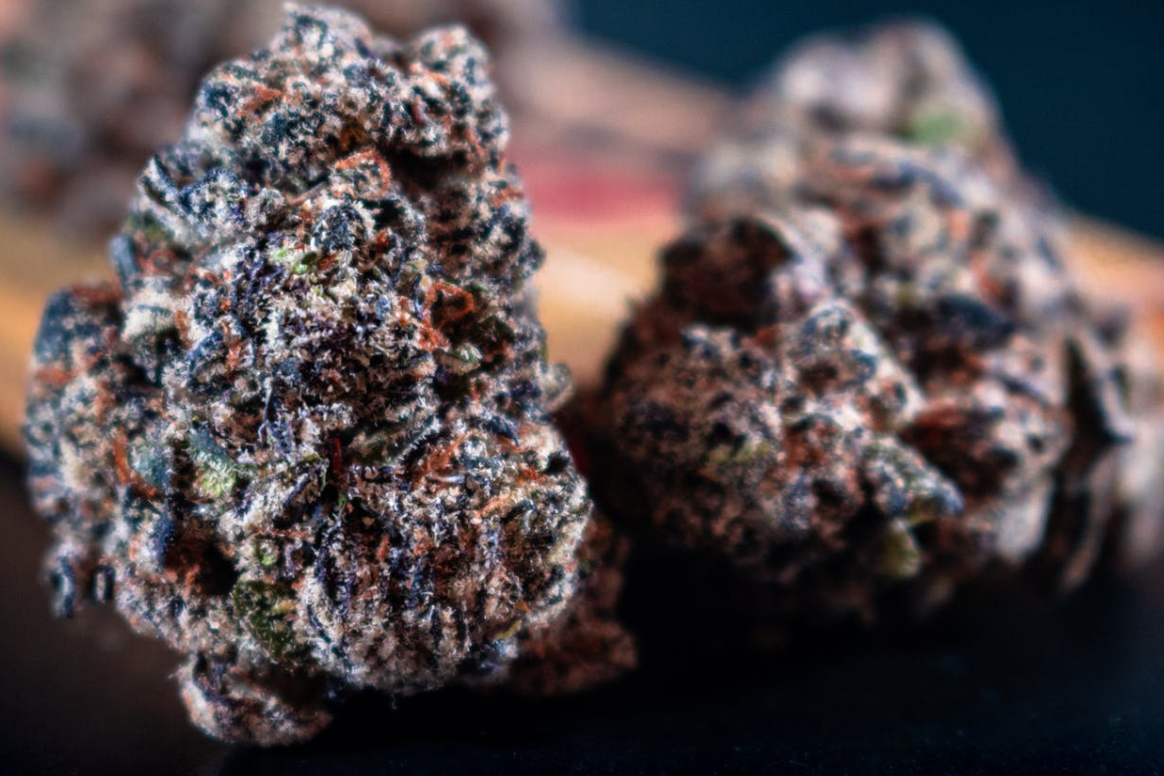
So, what exactly is CBN in weed? It is basically a result of THC breaking down over time. When cannabis is exposed to oxygen and light, THC gradually transforms into CBN via a process known as oxidation. That means older buds typically contain more CBN, so don’t discard that old flower just yet!
What Does The CBN Do?
CBN is moderately psychoactive, but not like THC. Its true power comes in its calming, relaxing effects. Many people use CBN to relax deeply, fall asleep more easily, or relieve physical discomfort.
Potential Benefits Of CBN Include:
- Natural sleep support without excessive grogginess.
- Relief of mild discomfort and inflammation.
- Relaxation for the body and mind.
Perfect For:
- Nighttime and bedtime rituals
- Anyone needing help winding down
- Fans of older or cured cannabis flowers
CBN is commonly found in edibles, tinctures, or capsules branded as a “sleep” or “PM” formula, and it is occasionally combined with CBD and modest quantities of THC for a balanced, calming effect.
When it comes to the trio of THC, CBD, and CBN, CBN is the one you’ll want by your side when the day is done and it’s time to sleep.
THC vs CBD vs CBN Difference — Side-by-Side Comparison
Still trying to decide which cannabinoid is right for you? Here's a simple cheat sheet to show you how THC, CBD, and CBN compare:
| Cannabinoid | Gets You High? | Effects | Best Used For |
|---|---|---|---|
| THC | Yes | Euphoria, body high | Mood boost, sleep, appetite |
| CBD | No | Calm, clarity | Stress, focus, recovery |
| CBN | Mildly | Sedation, deep relaxation | Insomnia, nighttime wind-down vibes |
How to Choose the Right Cannabinoid for You?
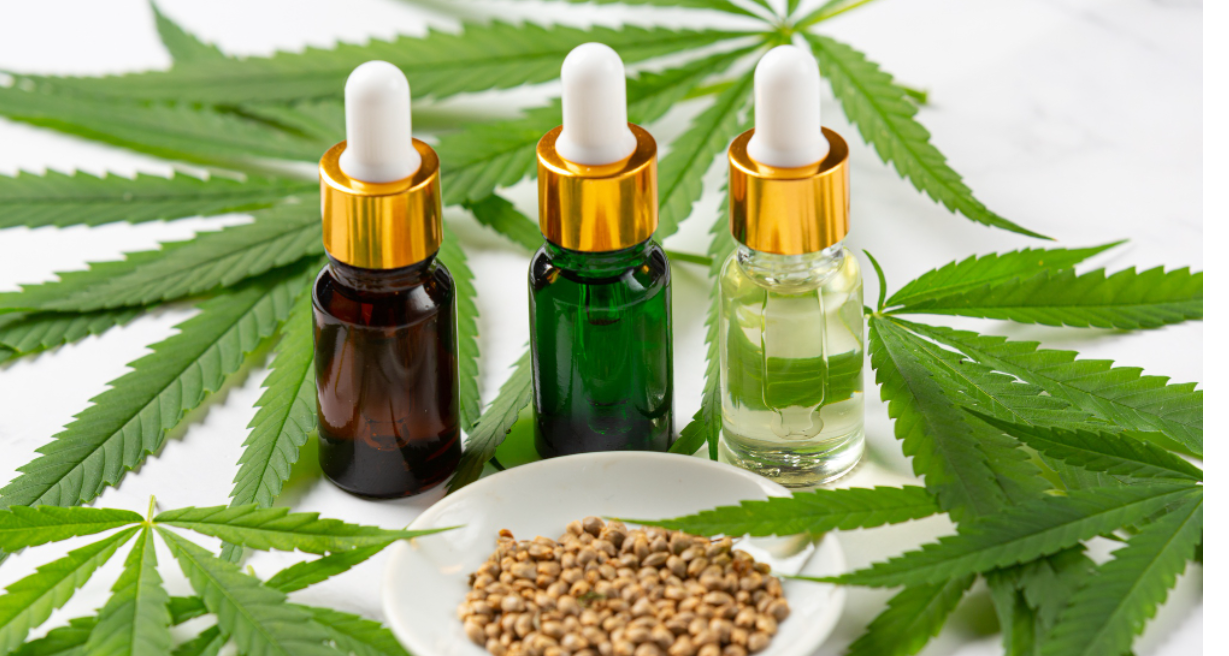
Not sure which cannabinoid is right for you? It depends on what you're looking for.
- Want to get better sleep? Try CBN as a midnight gummy or tincture.
- Need calm without the high? CBD tinctures and topicals perform well.
- Craving a mood boost or creativity? That's where THC shines – go for pre-rolls or vapes.
- Looking for overall balance? Consider a full-spectrum product with a variety of cannabinoids.
Start low, go slow — and pay attention to how your body feels.
If you're still unsure where to begin, don't worry; that's what we're here for. Visit our local cannabis dispensary in Santa Rosa and speak with a budtender. We're delighted to walk you through your options, answer your questions, and help you find the best cannabinoid match.
Final Puff: Your Cannabinoid Cheat Code
Cannabis is more than simply being high; it's about feeling more connected to yourself, your body, and your vibe. Whether you prefer the peace of CBD, the dreamy ease of CBN, or the intensity of THC, there is no wrong choice—just the right one for you.
Every cannabinoid offers something unique to the table, and the fun is figuring out what works best for your lifestyle.
Visit Doobie Nights Cannabis Dispensary in Santa Rosa or browse our menu to find THC, CBD, and CBN products that fit your style. We're here to help you feel good about your cannabis journey at every stage.
ADDITIONAL RECENT POSTS