OG Kush Strain: A Complete Guide to Genetics, Effects, THC, Flavor & Potency
OG Kush is a foundational cannabis cultivar whose genetics, distinctive chemical profile, and breeding influence have shaped numerous modern cannabis varieties. The strain is associated with a distinctive combination of earthy, piney, citrus, and fuel-related aroma and flavor notes, along with effects that may include both cerebral stimulation and physical relaxation. Although OG Kush is frequently described as an indica-dominant or indica-leaning hybrid, its genetic background and chemical profile can vary across different selections and phenotypes.
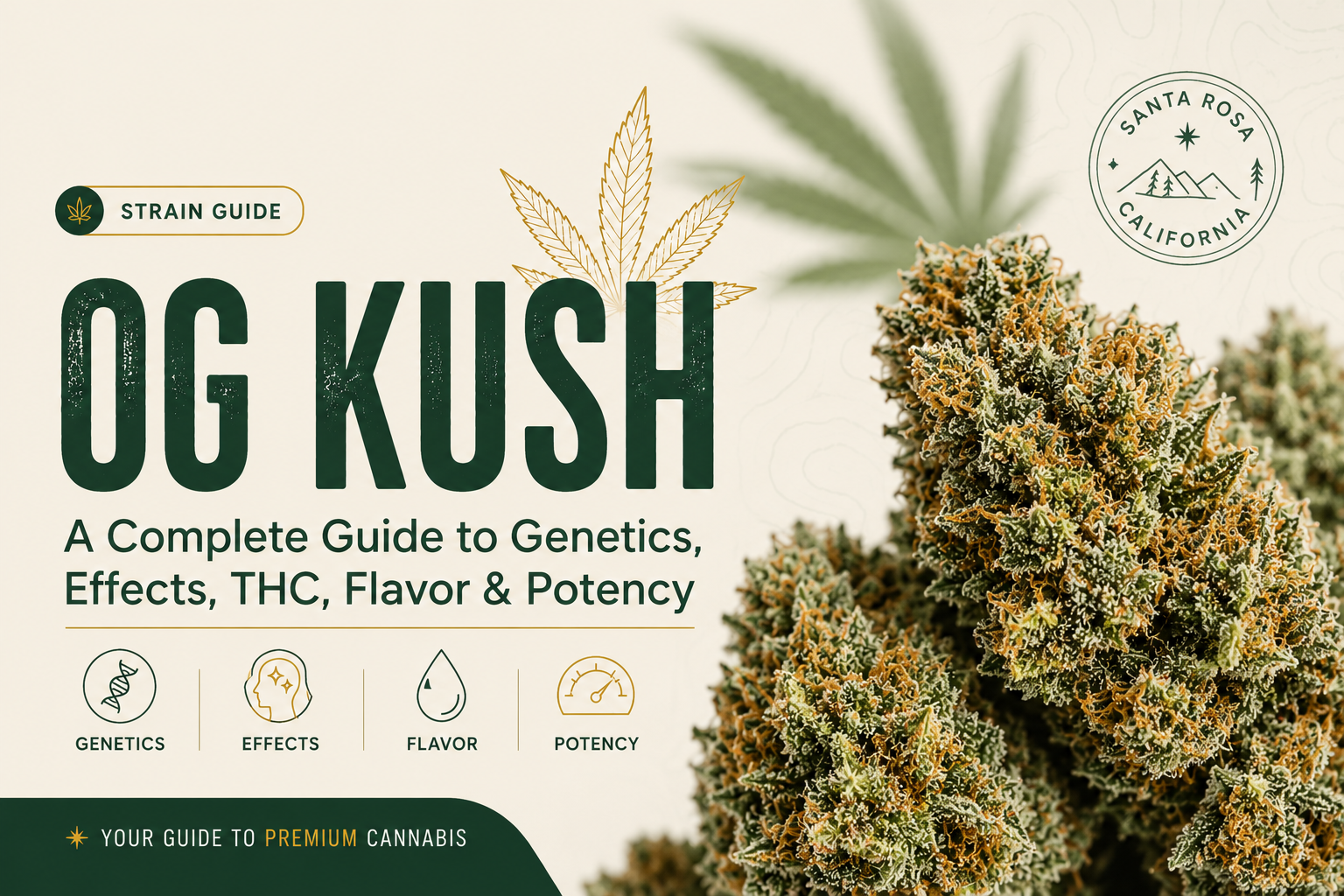
The OG Kush strain is available today in several product formats, including traditional flower, vape products, and concentrates. Potency, terpene composition, and reported effects may differ between products, making the specific cultivar and laboratory-tested product profile important factors to consider. This OG Kush strain review examines the cultivar’s genetic background, indica - sativa classification, commonly reported effects, THC levels, flavor and terpene profile, product formats, and compares it with other popular cannabis strains.
What Is OG Kush?
OG Kush is one of the premier cannabis cultivars and became widely known through the California cannabis market and breeding community. Its exact origin remains uncertain, although the strain is commonly associated with a lineage involving Chemdawg, Lemon Thai, and a Hindu Kush-derived plant. The details of how these genetics were combined remain disputed.
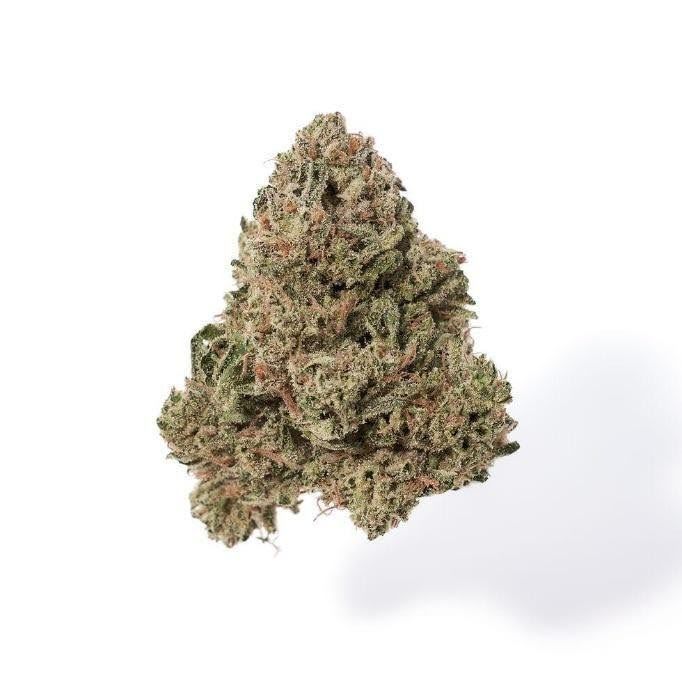
The OG Kush name is associated with a recognized genetic line and multiple selections rather than one standardized chemical profile. As a result, different OG Kush products may vary in growth traits, cannabinoid concentrations, and terpene expression. OG Kush-related genetics have also been used in subsequent breeding projects, contributing to the development of later cultivars and helping maintain the cultivar's significance in modern cannabis breeding and markets.
Why OG Kush Became a Foundation of Modern Cannabis Breeding
OG Kush has influenced modern cannabis breeding through its association with several recognized cultivars and breeding lines. Its continued presence in cultivar development has helped establish OG Kush as an important genetic reference point within contemporary cannabis breeding.
Several well-known cultivars are commonly associated with OG Kush genetics or the broader OG lineage, including:
- Girl Scout Cookies (GSC): Commonly reported as having OG Kush in its genetic background, although lineage details vary among accounts.
- Fire OG: Often described as a cultivar closely associated with the OG Kush lineage.
- Ghost OG: Commonly recognized as a distinct OG Kush selection or phenotype.
- Tahoe OG: A well-known cultivar associated with the broader OG family of cultivars.
OG Kush-related genetics continue to interest breeders because different selections and crosses can express variation in plant structure, flowering characteristics, cannabinoid concentrations, and terpene profiles. This genetic diversity has helped keep OG-related cultivars relevant across breeding programs and commercial cannabis markets.
Is OG Kush Indica, Sativa, or Hybrid?
OG Kush is generally classified as a hybrid and is often described as indica-leaning or indica-dominant. Some cannabis databases classify it at approximately 55% indica and 45% sativa, although these figures represent broad classification estimates rather than standardized measurements of genetic composition. The classification can also vary because the origins of OG Kush remain disputed and different selections carrying the OG Kush name may not share identical genetics.
Reported
OG Kush flower commonly falls within the approximately 20% to 25% THC range, although individual products may test below or above this range. The THC percentage of a specific product should therefore be determined from its laboratory test results rather than a general strain estimate.
OG Kush Strain Effects: What Does OG Kush Feel Like?
OG Kush is often described as a strain that can produce both noticeable cerebral effects and physical relaxation. The overall experience depends on factors such as the specific selection, product potency, terpene composition, dose, consumption method, and individual tolerance. Commonly reported effects associated with OG Kush include:
- Mental Effects: OG Kush is often associated with a noticeable cerebral experience that may include:
- Euphoria
- Mood elevation
- Mental relaxation
- Increased sensory awareness
- Calm focus
At lower or moderate doses, the cerebral effects may feel clearer and more uplifting, while higher doses can produce a deeper sense of mental relaxation and heaviness.
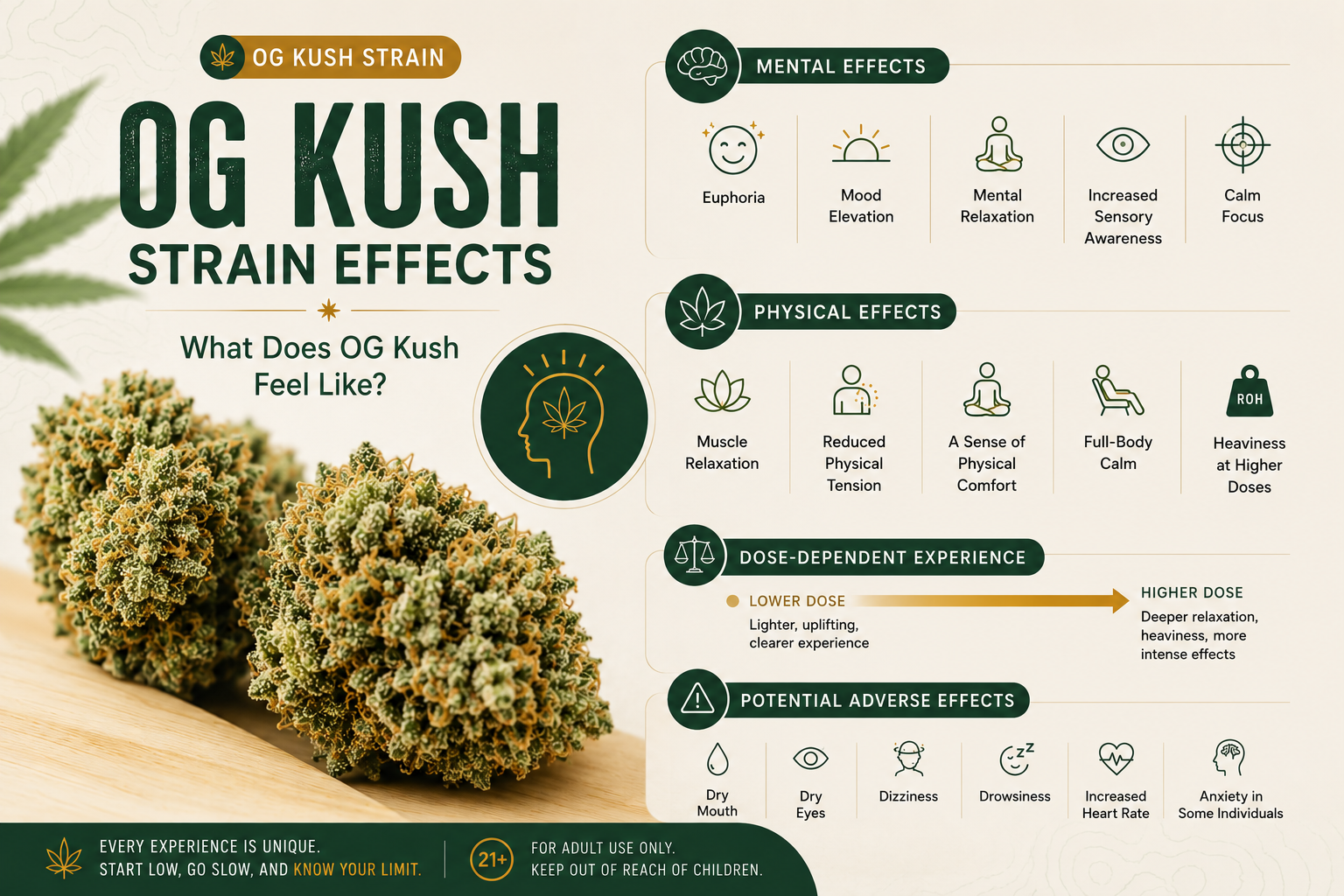
2. Physical Effects: OG Kush is also commonly associated with physical relaxation that may become more noticeable as the effects develop. Commonly reported physical effects include
- Muscle relaxation
- Reduced physical tension
- A sense of physical comfort
- Full-body calm
- Heaviness at higher doses
These physical effects may be more pronounced in higher-potency products or at larger doses, while the specific experience can vary between OG Kush selections and individual consumers.
3. Dose-Dependent Experience: The amount consumed can significantly influence how OG Kush feels. A lower dose may produce a less intense experience, while a higher dose may intensify both the psychoactive effects and physical relaxation. Product potency, individual tolerance, and consumption method also influence the overall response.
4. Potential Adverse Effects: OG Kush contains THC and may cause temporary side effects, particularly when consumed in larger amounts. Possible side effects include:
- Dry mouth
- Dry eyes
- Dizziness
- Drowsiness
- Increased heart rate
- Anxiety in some individuals
People who are sensitive to THC may also experience uneasiness or temporary paranoia, particularly after consuming high-potency products or larger doses.
No single effects profile applies to every OG Kush product. Differences in genetics, cannabinoid concentrations, terpene expression, product format, dosage, and individual sensitivity can all influence the experience. Consumers with limited cannabis experience may therefore prefer to begin with a low amount and assess their response before consuming more.
OG Kush THC Levels and Potency
The THC level of the OG Kush strain can vary considerably between cultivars, phenotypes, growing conditions, and product formats. Commercially available OG Kush flower may contain moderate to high THC concentrations, although the exact percentage should be confirmed through the product's laboratory test results.
In unheated cannabis flower, a substantial proportion of the cannabinoid content may be present as tetrahydrocannabinolic acid (THCA). When cannabis is heated through smoking, vaping, or another decarboxylation process, THCA can be converted into THC, the primary psychoactive cannabinoid associated with cannabis intoxication.
A higher THC concentration can increase the potential for more intense psychoactive effects, but THC percentage alone does not determine how a product will feel. The amount consumed, consumption method, individual tolerance, and the product's broader cannabinoid and chemical profile can also influence the experience.
OG Kush Flavor, Aroma & Terpene Profile
The OG Kush strain’s flavor profile is commonly associated with earthy, piney, citrus, herbal, and spicy notes. The exact sensory profile can vary between phenotypes and products, depending on genetic selection, cultivation conditions, and post-harvest handling.
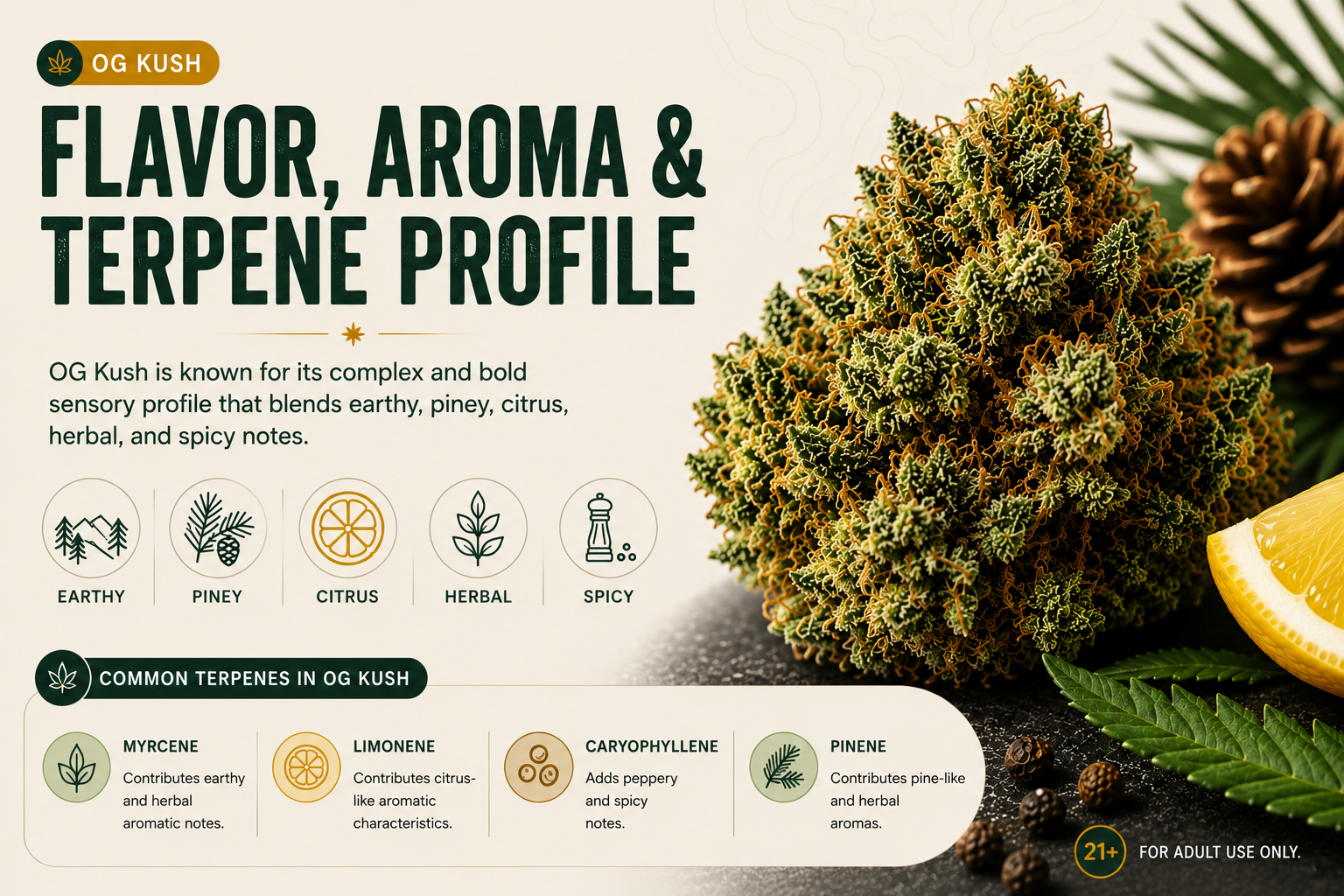
The OG Kush terpene profile can also vary between products. Terpenes commonly reported in OG Kush expressions include:
- Myrcene: Contributes earthy and herbal aromatic notes.
- Limonene: Contributes bright citrus-like aromatic characteristics.
- Caryophyllene: Adds peppery and spicy notes.
- Pinene: Contributes pine-like and herbal aromas.
Flavor & Aroma Profile
- Earthy and herbal notes
- Piney aromas
- Citrus undertones
- Peppery or spicy accents
- Pungent aromatic characteristics in some expressions
OG Kush vs Other Popular Strains
OG Kush is often compared with other well-known cultivars because of its recognizable terpene profile, hybrid genetics, and commonly reported combination of cerebral and physical effects. The following comparisons highlight key differences in commonly reported effects, flavor profiles, and other characteristics.
| Strain | Commonly Reported Effects | Flavor Profile | May Appeal to Consumers Seeking | How It Compares to OG Kush |
|---|---|---|---|---|
| Gelato | Euphoric, uplifting, relaxed | Sweet berry, citrus, creamy dessert notess | A flavorful hybrid experience with noticeable mental and physical effects | Both are widely classified as hybrid cultivars and are commonly associated with a combination of cerebral and physical effects. Their flavor profiles are distinct, with Gelato commonly associated with sweeter, dessert-like characteristics and OG Kush with earthy, piney, citrus, and pungent notes. |
| Blue Dream | Uplifting, creative, mentally stimulating | Sweet berry, herbal, citrus notes | A more uplifting and cerebral experience | Both are commonly described as hybrids with reported cerebral effects. Blue Dream is often associated with more uplifting and mentally stimulating effects, while OG Kush is more commonly associated with physical relaxation. However, these differences can vary between products and individuals. |
| Girl Scout Cookies (GSC) | Euphoric, uplifting, relaxed | Sweet, earthy, minty, and spicy notes | A potent hybrid experience with a complex flavor profile | Both are associated with potent hybrid effects and complex terpene profiles. GSC is commonly reported to include OG Kush in its genetic background and is often associated with sweeter, mintier, and more complex flavor characteristics than the earthy, piney profile commonly associated with OG Kush. |
How to Choose an OG Kush Product
OG Kush is often compared with other well-known cultivars because of its recognizable terpene profile, hybrid genetics, and commonly reported combination of cerebral and physical effects. The following comparisons highlight key differences in commonly reported effects, flavor profiles, and other characteristics.
The most common options includes
- Flower:
OG Kush flower
contains the cultivar's naturally occurring cannabinoids and terpenes within the plant material. This format may appeal to consumers who want to experience and assess the flower's aroma, flavor, and other characteristics directly.
- Vapes:
OG Kush vape products
offer a portable consumption format and typically have a faster onset than orally consumed cannabis products. Depending on the formulation, a vape product may contain cannabis oil, distillate, live resin, or another cannabis extract. As a result, its cannabinoid and terpene profile may differ from that of OG Kush flower.
- Concentrates: Concentrates generally contain higher cannabinoid concentrations by weight than traditional flower. Products such as live resin, rosin, and other cannabis extracts provide higher-potency options for consumers with prior experience using concentrated cannabis products.
Understanding Product Labels and Terpenes
OG Kush products can differ in format, processing, and chemical composition, so product labels and available laboratory test results can provide useful information when comparing different options. The OG Kush name alone does not guarantee that every product will have the same cannabinoid or terpene profile.
When comparing products, consider:
- Total THC and THCA content: These values provide information about the product's cannabinoid content and can help indicate its potential potency.
- Other reported cannabinoids: Cannabinoids such as CBD and CBG may also be listed and can help describe the product's broader cannabinoid profile.
- Terpene concentrations: Terpene testing can provide information about the terpenes present in a product and their concentrations, which may help explain differences in aroma and flavor.
- Product type and serving size: These details help consumers understand how the product is formulated and the amount provided per serving, where applicable.
- Extraction or formulation method: This information can help explain differences between flower and products made from cannabis extracts.
Frequently Asked Questions about OG Kush Strain
1. Does OG Kush Feel Relaxing or Energizing?
OG Kush is more commonly associated with relaxation than pronounced stimulation, although some consumers may initially experience cerebral uplift or euphoria. THC concentration, terpene composition, dosage, and tolerance also influence the experience.
2. Is OG Kush Right for Beginners?
OG Kush may not suit every first-time cannabis consumer, particularly in high-THC products. Beginners should consider potency, serving size, and consumption method. Starting with a small amount can help them assess their individual response.
3. How Long Do OG Kush Effects Last?
The duration of OG Kush effects varies with the consumption method, product potency, serving size, and individual tolerance. Inhaled products generally produce effects more quickly, while edible products typically have a slower onset and may produce longer-lasting effects.
4. Does OG Kush Have CBD?
OG Kush products may contain CBD, although the amount varies by cultivar selection, product formulation, and batch. The product label or available laboratory test results provide the most reliable information about its cannabinoid profile.
5. Can the Same OG Kush Strain Produce Different Results from One Harvest to Another?
Yes. Cultivation conditions, harvest timing, post-harvest handling, storage, and batch composition can affect cannabinoid and terpene profiles. These changes may influence the finished product's aroma, flavor, potency, and overall consumer experience.
6. Does OG Kush Flower Have More Terpenes Than OG Kush Concentrates?
Not necessarily. Concentrates can contain highly concentrated cannabinoids and terpenes, but their final profiles depend on the starting material and extraction method. Flower and concentrates should therefore be evaluated using individual laboratory results.
7. What Is the OG Kush Indica Sativa Ratio?
There is no universally verified indica-to-sativa ratio for every product labeled OG Kush. Some sources describe OG Kush as approximately 55% indica and 45% sativa, but these figures are broad classification estimates rather than standardized measurements of genetic composition.
8. Is the OG Kush Strain Indica-Dominant?
The OG Kush strain is commonly described as indica-leaning or indica-dominant, although classification can vary between sources and genetic selections. As OG Kush-related products may differ in their genetic and chemical profiles, the indica label alone does not predict the exact characteristics of every product.
ADDITIONAL RECENT POSTS